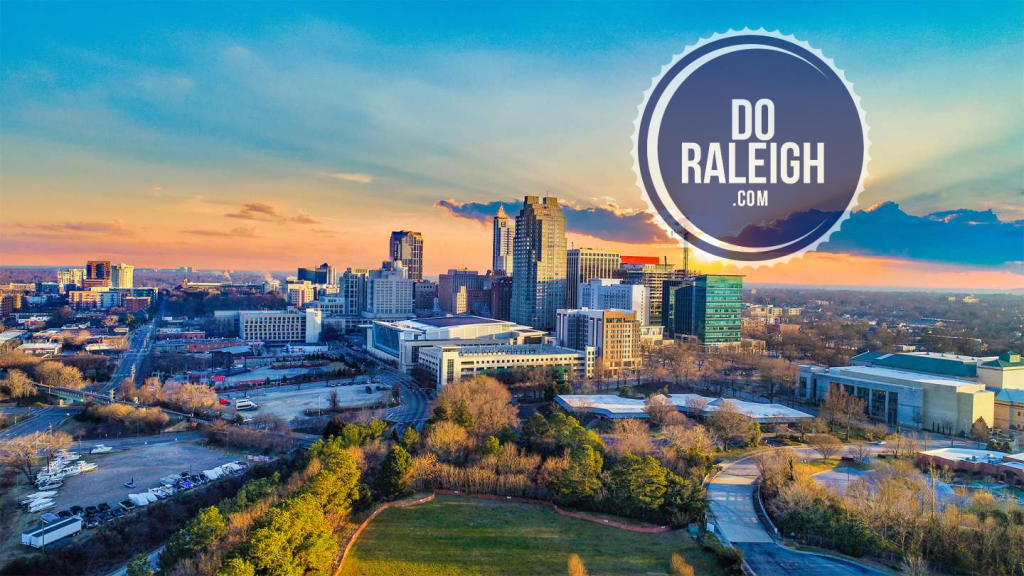
Downtown Raleigh’s continued growth, major development projects and ongoing public-safety concerns took center stage during the annual State of Downtown Raleigh meeting on Wednesday, August 26, 2026.
Presented by PNC at the Martin Marietta Center for the Performing Arts, the event brought together business owners, developers, city officials and community stakeholders. It also marked the 30th anniversary of the Downtown Raleigh Alliance, the organization responsible for promoting and supporting the city’s downtown districts.
Downtown Raleigh’s Population Continues to Grow
One of the meeting’s biggest themes was downtown Raleigh’s shift from a primarily business-centered district into a growing residential neighborhood.
According to the 2026 State of Downtown Raleigh Report, downtown now has approximately 16,841 residents, an increase of more than 1,000 residents during the past year.
Downtown Raleigh’s population has increased by approximately 116% since 2015, while nearly 7,000 housing units have been completed during that period. The report also estimates that another 7,419 residents could be added by 2031 if much of the proposed residential development is completed.
Apartment demand remains relatively strong, with stabilized downtown properties reporting an occupancy rate of approximately 92.5%.
An $8.5 Billion Development Pipeline
Downtown Raleigh currently has an estimated $8.5 billion in projects completed, under construction, planned or proposed since 2015.
The development pipeline includes:
- Approximately $3.67 billion in completed investment
- Approximately $1.68 billion in projects under construction
- More than $3.1 billion in planned or proposed projects
- Thousands of additional apartments, condominiums and hotel rooms
- New office, retail, entertainment and public spaces
Major projects discussed during the program included One Nash Square, the redevelopment of Heritage Park, the planned conversion of the downtown Sheraton into a Westin hotel, City Gateway and additional investment from Kane Realty and Highwoods Properties.
A New Convention and Entertainment District Is Emerging
Several projects on downtown Raleigh’s southern end are expected to create a larger convention, hospitality and entertainment district.
The new 601-room Omni Convention Hotel, Raleigh Convention Center expansion and permanent Red Hat Amphitheater represent nearly $1 billion in combined investment within several downtown blocks.
The new Red Hat Amphitheater has topped out and is scheduled to open for the 2027 outdoor concert season, with space for more than 6,000 guests.
Construction has also started on Raleigh’s Bus Rapid Transit system, which will make downtown the center of the Triangle’s first major BRT network.
More Downtown Businesses Are Opening
The report counted 83 storefront openings since July 2025, bringing downtown Raleigh’s total to more than 550 restaurants, bars, stores and service businesses.
Downtown’s culinary scene also received national recognition, with eight restaurants included in the MICHELIN Guide.
Small-business owners participating in the meeting discussed why they selected downtown Raleigh and how residential growth, tourism and special events are helping create new opportunities.
Downtown Tourism and Events Remain Strong
Downtown Raleigh recorded approximately 22.5 million visitor visits between July 2025 and June 2026, representing about 5.1 million unique visitors.
Major investments in the convention center, Red Hat Amphitheater, hotels, museums and public spaces are expected to increase downtown’s ability to attract conventions, concerts and regional visitors.
The report also highlighted downtown’s more than 180 public-art installations, 18 performing-arts and concert venues and 492 acres of park space within one mile of the city center.
Public Safety Remains a Major Concern
Despite positive economic numbers, public safety and the perception of downtown remained major parts of the conversation.
Downtown Raleigh Alliance President and CEO Bill King said overall crime has declined, but highly visible incidents—including a large drug investigation near Moore Square and a July gathering involving groups of teenagers—have affected how some residents and visitors view downtown.
Speakers acknowledged that improving safety will require more than enforcement. The design and operation of GoRaleigh Station, transportation access, social-service needs and consistent activity throughout downtown were also identified as complicated issues requiring additional attention. ABC11 reported that attendees also called for better mass transit and stronger connections between downtown and Dorothea Dix Park.
The Oakline Could Connect Downtown Raleigh and Dix Park
Participants also heard about The Oakline, a proposed elevated trail and public-space concept that could improve connections between downtown Raleigh and Dorothea Dix Park.
The project is part of a larger effort to make it easier for people to walk, bike and travel between downtown neighborhoods, Dix Park and future development near South Saunders Street.
Other improvements highlighted during the meeting included two-hour free parking in city-owned decks, new Fayetteville Street tree lighting and an additional $1 million investment in Fayetteville Street streetscape improvements.
Five Downtown Projects Receive Imprint Awards
The Downtown Raleigh Alliance presented its 2026 Imprint Awards to five projects that made significant investments in the downtown area:
- IDYLE — A collection of 10 Net Zero-ready residences on South Bloodworth Street
- Oldham & Worth — A 252-unit mixed-use development on West Cabarrus Street
- The Holston at The Weld — A 20-story residential tower near Dorothea Dix Park
- Ray at The Weld — A 392-unit residential tower with retail space
- 122 Glenwood — An adaptive-reuse office and retail development in Glenwood South
The Imprint Awards recognize projects investing more than $2 million while contributing to downtown Raleigh’s growth and vitality.
What the State of Downtown Meeting Means for Raleigh
The 2026 meeting presented a downtown experiencing significant growth but also navigating the challenges that come with becoming a larger urban center.
Residential development, new businesses, tourism and billions of dollars in investment continue to reshape the city’s core. At the same time, public safety, affordable housing, transportation and connections between downtown neighborhoods will remain important issues as Raleigh plans its next phase.
The message from downtown leaders was clear: Raleigh has made substantial progress, but continued cooperation between residents, businesses, developers and city government will be necessary to create a downtown that is safe, welcoming and accessible to everyone.
Problems with Downtown Raleigh
Downtown Raleigh has few major retailers because national chains generally follow consistent foot traffic—they rarely create it. Raleigh’s downtown has historically been an office and government center, while the region’s shopping activity developed around suburban destinations such as Crabtree, North Hills, Village District, Brier Creek and Fenton.
The main barriers are:
- Many storefronts are too small. Historic downtown buildings frequently offer narrow, individually owned storefronts without the loading areas, ceiling heights, parking or 20,000-plus contiguous square feet required by larger retailers. Combining several properties is expensive and complicated.
- Downtown’s retail identity is locally oriented. More than 90% of its stores have historically been independent businesses. Downtown therefore has boutiques, bookstores, specialty stores, markets, restaurants and service businesses—but no major Retailer, No Major Pharmacy, and No Entertainment.
The situation is improving. Downtown recorded 83 storefront openings during the latest reporting period, while thousands of apartments, new hotels, the convention-center expansion and relocated Red Hat Amphitheater are in the development pipeline. If residential density and visitor activity continue growing, downtown could eventually support a medium-format Target, national apparel stores or another destination retailer.
The missing ingredient is not available storefronts—it is a dense, dependable, seven-day customer base surrounding those storefronts.
Follow DoRaleigh.com for Raleigh news, development updates, government coverage and local event guides.
Connect With Us: Instagram | Facebook | BSky | Linkedin
Share With Us: Post your community News, Events, on our Submissions Page.
Advertise With Us: Interested in Advertising click here.
Published by Bryan Tomlinson | BTDesigns.pro |