Housing Bonds, Rezoning Concerns, and Affordable Housing Strategy Take Center Stage
Overview: Key Takeaways From the February 10 Meeting
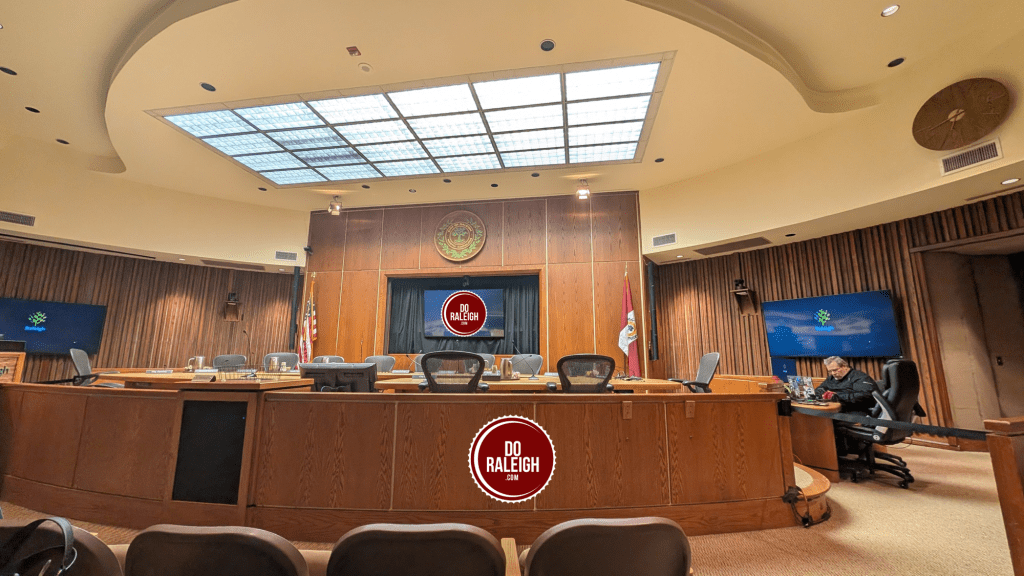
The February 10 Raleigh City Council work session and public comment meeting focused heavily on housing affordability, rezonings, and the city’s long-term housing strategy. Two council members — Councilor Silver and Mayor Pro Tem Harrison — were absent and excused from both sessions.
A major theme throughout the evening was the city’s ongoing effort to address Raleigh’s housing affordability crisis while balancing development growth, neighborhood preservation, and homelessness response.
Upcoming Joint Housing Meeting With Wake County
City leaders announced a joint meeting with Wake County Commissioners scheduled for February 17 at 6 PM at the Wake County Justice Center.
This session will focus specifically on housing challenges, collaboration opportunities, and potential regional solutions — signaling that affordable housing remains a top priority across local government.
Proposed $101.5 Million Affordable Housing Bond (2026)
One of the most significant discussions was the recommendation of a $101.5 million Affordable Housing Bond proposal for 2026. The proposed allocation includes:
$57.6 million — Housing Development & Preservation $10.4 million — Homebuyer Assistance & Preservation $12 million — Homelessness Response Initiatives $21.5 million — Mixed-Income Housing Development
If approved by voters, this bond could substantially expand Raleigh’s ability to develop affordable housing options and respond to homelessness challenges.
Raleigh’s Core Housing Goals
During the work session, city leaders outlined several primary housing priorities:
Increasing the overall supply of affordable housing Improving affordability across income levels Preventing and ending homelessness
Officials emphasized that expanding housing supply remains a critical strategy for addressing Raleigh’s growing affordability gap.
Key Policy Discussions From the Work Session
Missing Middle Housing Policy
Staff noted an increase in housing units built under “Missing Middle” zoning policies. However, some observers pointed out that many new units are not considered truly affordable.
Anti-Displacement Tools
Mayor Janet Cowell raised questions about whether Neighborhood Conservation Overlay Districts (NCODs) disproportionately protect wealthier neighborhoods while leaving minority communities more vulnerable to displacement.
Mixed-Income Public Development Model
The city, alongside the Raleigh Housing Authority, is exploring a mixed-income development model with guidance from the Center for Public Enterprise.
Potential benefits include:
Creating affordable housing without relying solely on federal funding Developing housing on city-owned land Strengthening public-private partnerships Engaging philanthropic investment
This model would rely on tools such as revolving loan funds, public ownership tax advantages, and lower-cost financing options.
Faith-Based Housing Initiatives (YIGBY)
The “Yes in God’s Backyard” (YIGBY) initiative was also discussed as a potential avenue for expanding affordable housing through development on faith-owned properties.
City leaders see this as an innovative way to increase housing supply while partnering with community institutions.
Public Comment Highlights
Public speakers focused largely on development and neighborhood issues, including:
Fourth Ward rezoning concerns Peace Street development impacts North Hills rezoning discussions Affordable housing preservation City employee benefits Big Branch Greenway issues
Of the 13 residents who signed up to speak, nine attended and delivered comments.
Delayed Customer Experience Update
A planned update on the city’s Customer Experience Program was postponed due to time constraints and will be presented at a future meeting.
Why This Matters for Raleigh Residents
Housing affordability continues to dominate Raleigh’s civic agenda. With population growth, rising housing costs, and ongoing development debates, decisions made now will shape the city’s future for years to come.
For residents, developers, and community advocates, staying informed — and participating in public meetings — remains an important way to influence local policy.
Stay Connected With Raleigh Civic Updates
DoRaleigh will continue providing summaries, event guides, and civic updates to help residents stay informed about:
City Council meetings Planning and rezoning discussions Housing initiatives Community engagement opportunities
Have tips, photos, or story ideas? Send them to our Submissions Page and keep Raleigh’s pulse beating strong.
Follow DoRaleigh.com for daily updates on government meetings, local festivals, and community happenings — your one-stop guide to everything Raleigh!