Published: May 2, 2026
By: DoRaleigh Editorial Team
Overview
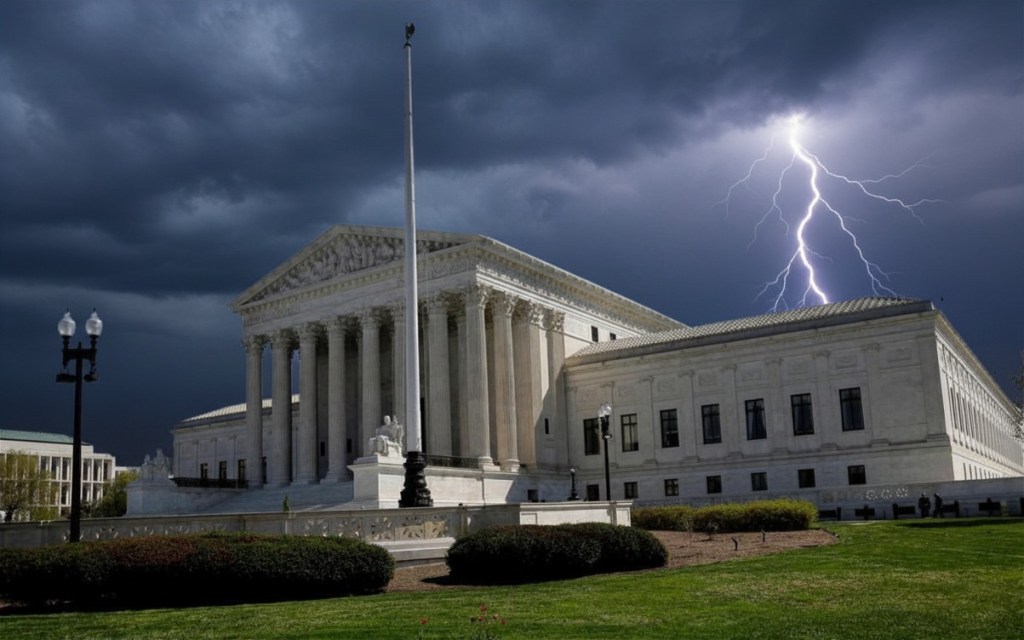
A recent opinion piece by Candece Monteil, representing the National Urban League, sharply criticized the U.S. Supreme Court’s ruling in Louisiana v. Callais. The decision has sparked national debate, with critics calling it a major setback for voting rights—particularly for Black Americans.
What Happened in Louisiana v. Callais?
At the center of the controversy is Louisiana’s congressional redistricting map. The map had been designed to ensure Black voters—who make up nearly one-third of the state’s population—had a fair opportunity to elect representatives of their choice.
However, the Supreme Court struck down this map, raising concerns among civil rights advocates that the ruling weakens protections under the Voting Rights Act—specifically Section 2, which prohibits racial discrimination in voting.
Why Critics Call It a “Power Grab”
According to Monteil and the National Urban League, the ruling goes beyond legal interpretation and ventures into political consequences:
- Dilution of Black voting power: Critics argue the decision enables states to redraw districts in ways that weaken minority influence without overtly violating the law.
- Higher burden of proof: The ruling may make it significantly harder to challenge discriminatory maps unless clear intent is proven.
- Precedent for other states: The decision could open the door for similar redistricting strategies nationwide.
Justice Elena Kagan echoed these concerns in her dissent, warning that the Court is now allowing systemic dilution of minority voting power without accountability.
The Broader Impact
The implications stretch far beyond Louisiana:
- National ripple effect: Other states may adopt more aggressive redistricting tactics.
- Civil rights concerns: Advocates fear decades of progress achieved through the Civil Rights Movement could be eroded.
- Community consequences: In regions already facing inequities—such as environmental justice issues and high incarceration rates—reduced political representation could limit access to resources and policy change.
The ruling also raises questions about the future strength of the Voting Rights Act, a cornerstone of American democracy signed into law by Lyndon B. Johnson in 1965.
Calls to Action
The National Urban League and other advocacy groups are urging immediate action on multiple fronts:
1. State Leadership Accountability
Louisiana lawmakers are being called on to redraw maps that reflect fair demographic representation.
2. Congressional Intervention
There is growing pressure on Congress to strengthen and restore protections under the Voting Rights Act.
3. Community Engagement
Voters are encouraged to:
- Attend public hearings
- Contact elected officials
- Participate in upcoming elections, including November 2026
Final Thoughts
The debate surrounding Louisiana v. Callais underscores a long-standing truth: equitable political representation in the U.S. has rarely come without sustained effort and advocacy. While some view the ruling as a legal recalibration, others see it as a pivotal moment that could redefine access to democracy.
One thing is clear—the conversation around voting rights is far from over.
Read The Original Article From The National Urban League
Follow DoRaleigh.com for daily updates on government meetings, local festivals, and community happenings — your one-stop guide to everything Raleigh!
Post your community News, Events, on our Submissions Page. If you interested in Advertising click here.