June is a significant month in African American history, culture, and celebration across the United States. From Juneteenth commemorations to African American Music Appreciation Month, communities nationwide honor the achievements, resilience, and contributions of Black Americans who have shaped the nation’s history.
Juneteenth: America’s Second Independence Day
The most recognized African American observance in June is Juneteenth, celebrated annually on June 19. The holiday commemorates June 19, 1865, when Union General Gordon Granger arrived in Galveston, Texas, and announced that enslaved African Americans were free—more than two years after the Emancipation Proclamation was issued. Today, Juneteenth serves as a celebration of freedom, family, culture, education, and community. In 2021, Juneteenth officially became a federal holiday in the United States. (National Museum of African American History)
Across the country, communities celebrate with festivals, parades, educational programs, concerts, cultural exhibits, and family gatherings that honor the ongoing journey toward equality and justice. (National Museum of African American History)
African American Music Appreciation Month
June is also recognized as African American Music Appreciation Month, a national observance established in 1979 to celebrate the profound impact African American musicians have had on American culture and music. Genres such as jazz, blues, gospel, R&B, hip-hop, rock and roll, soul, and house music all trace their roots to African American artists and innovators. (National Museum of African American History)
Throughout June, museums, theaters, community organizations, and cultural institutions host performances, film screenings, educational events, and exhibitions highlighting the enduring influence of Black music on the world. (Houston Chronicle)
Historical Milestones Remembered in June
June also marks several important moments in African American history:
- June 19, 1865 – Juneteenth and the announcement of freedom for enslaved African Americans in Texas.
- June 1963 – Civil rights leader Medgar Evers was assassinated, becoming a symbol of the struggle for voting rights and racial justice.
- June 1967 – The landmark U.S. Supreme Court case Loving v. Virginia struck down laws prohibiting interracial marriage.
- June 2021 – Juneteenth became the newest federal holiday in the United States. (National Museum of African American History
)
Honoring the Past, Building the Future
June provides an opportunity for Americans to reflect on the contributions of African Americans in every field—from civil rights and education to business, science, sports, government, and the arts. It is a time to celebrate progress, acknowledge challenges, and continue learning about the people and events that have shaped the nation.
Whether attending a Juneteenth festival, supporting Black-owned businesses, visiting museums, or exploring African American history with family and friends, June serves as a powerful reminder that Black history is American history.
As communities across the nation gather this month, they continue a tradition of remembrance, resilience, and celebration that honors the past while inspiring future generations. (National Museum of African American History)
Historic African American Locations in Raleigh, North Carolina
Raleigh is home to several important African American historic sites that tell the story of freedom, education, entrepreneurship, civil rights, and community building.
1. Oberlin Village Historic District
Founded by formerly enslaved African Americans after the Civil War, Oberlin Village became one of the most successful Black communities in North Carolina. It is recognized as the state’s longest-surviving Reconstruction-era freedmen’s colony and was home to schools, churches, businesses, and community leaders.
Location: Oberlin Road area, West Raleigh
2. Latta University Historic Park
The site preserves the legacy of Reverend Morgan London Latta and Latta University, a school that provided educational opportunities for African Americans during the late 19th and early 20th centuries. The park features interpretive exhibits highlighting Black education and community development.
Address: 1001 Parker Street
3. Dr. M.T. Pope House Museum
The only African American house museum in North Carolina, the Pope House was home to Dr. Manassa Thomas Pope, physician, veteran, businessman, and the first African American to run for mayor of a Southern capital city during the Jim Crow era. The museum contains original furnishings and thousands of artifacts from the Pope family.
Address: 511 S. Wilmington Street
4. Shaw University
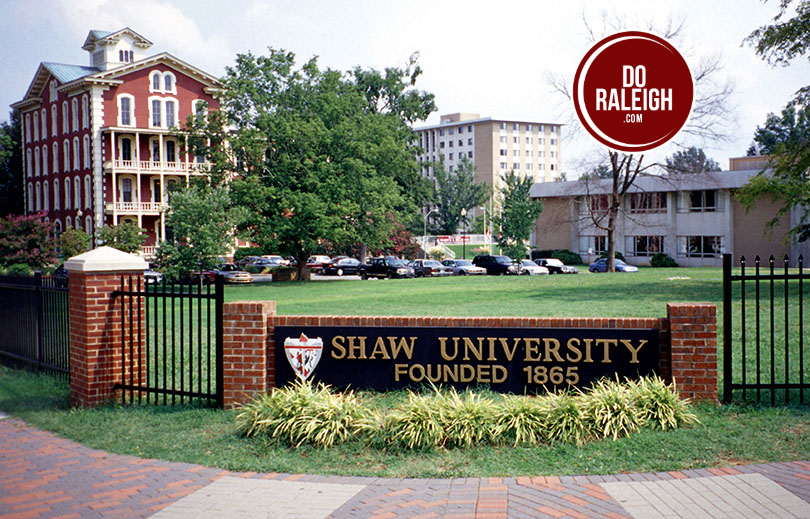
Founded in 1865, Shaw University is the oldest historically Black university in the South. The university played a major role in African American education and the Civil Rights Movement, including hosting the founding meeting of the Student Nonviolent Coordinating Committee (SNCC).
Address: 118 E. South Street
5. Saint Augustine’s University
Founded in 1867, Saint Augustine’s University has educated generations of African American leaders and professionals and remains an important part of Raleigh’s Black history.
Address: 1315 Oakwood Avenue
6. Oberlin Cemetery
Established in 1873, this historic cemetery served the residents of Oberlin Village and contains the graves of many of the community’s founders, educators, veterans, and church leaders. It remains one of Raleigh’s most significant African American burial grounds.
Address: 1014 Oberlin Road
7. City Cemetery
One of Raleigh’s oldest cemeteries, City Cemetery includes sections associated with enslaved and free African Americans. The cemetery provides insight into the lives of Black residents during the 19th century.
Address: 110 Montague Lane
8. Historic South Park Neighborhood
South Park emerged as one of Raleigh’s most important African American neighborhoods during segregation. The community became home to Black churches, businesses, professionals, and civic leaders and remains a center of African American heritage.
Location: South of Downtown Raleigh
9. John Chavis Memorial Park
Named for educator and Revolutionary War veteran John Chavis, this historic park opened in 1938 as one of the premier recreational facilities for African Americans during segregation. Today it remains one of Raleigh’s most important cultural landmarks.
Address: 505 Martin Luther King Jr. Blvd.
10. Mount Hope Cemetery
One of Raleigh’s historic African American cemeteries, Mount Hope contains graves of prominent Black citizens, veterans, educators, ministers, and community leaders dating back generations.
Address: 120 Prospect Avenue
Suggested African American Heritage Tour of Raleigh
- Dr. M.T. Pope House Museum
- Shaw University
- Saint Augustine’s University
- John Chavis Memorial Park
- South Park Historic Neighborhood
- Oberlin Village Historic District
- Latta University Historic Park
- Oberlin Cemetery
Together, these sites tell the story of Raleigh’s African American community from Reconstruction through the Civil Rights era and into the present day. They represent education, entrepreneurship, faith, political activism, and community resilience that helped shape Raleigh and North Carolina.
Learn More
For additional educational resources and historical information about Juneteenth and African American history, visit the National Museum of African American History and Culture.
Follow DoRaleigh.com for daily updates on government meetings, local festivals, and community happenings — your one-stop guide to everything Raleigh!
Post your community News, Events, on our Submissions Page. If you interested in Advertising click here.